- Uswitch.com>
- Current Accounts>
- How to Choose the Best Student Bank Account for your needs
Student bank accounts

Learn more about student finance, and the benefits of a student bank account to prepare you for university and graduation.

Choosing the best student account for you could make your time studying, and the first few years after you graduate, run more smoothly.
Top Uswitch tips for student bank accounts
Consider interest-free overdraft options. You only have to pay back what you use/borrow. Make sure you can manage your finances once this incentive comes to an end
Ask what additional perks are available - but don't choose a student account based solely on the freebies
Be sure to know how much your overdraft actually is, so that you don't incur any fees for going over the given amount
Keep an eye on your credit score. Having an overdraft is considered a form of borrowing, so don't allow misuse of your account to have a negative effect on your credit rating
Switch accounts if your current account doesn't suit your needs. It's most important to take advantage of the full benefits of a student account.
Switch to a better current account
Compare current accounts from different providers and find a bank that works for you.
What are the advantages of a student bank account?
The main benefits of a student bank account are the interest-free overdraft options that many of them come with. While you study, your overdraft will be interest-free up to an agreed limit, which in some cases increases each year of study.
Your interest-free overdraft could be as much as £3,000, but don't automatically pick the biggest one - you should think about how much you actually need to borrow. Then look at the interest rate you will eventually have to start paying once you graduate.
Student bank accounts usually maintain your student overdraft rate for one year after you graduate, but this varies with each provider. After that, you will start paying interest on some or all of the balance of your overdraft. You should make sure you pay this off as soon as possible to manage your debt and avoid any unnecessary interest payments.
Other benefits of a student bank account

Perks and gifts
Student bank accounts also have other perks like exclusive discounts, free gifts, rail cards and dedicated student finance advisors. Don't be swayed too much by freebies – there's no point getting an account that doesn't suit you just because they give you travel discounts – it could end up costing more in the long-term.

Debit/credit card
Ask what sort of debit card you get and where you can use it. You'll also want to think about whether you can get a student credit card. This could help improve your credit rating, and if you can prove that you can manage credit, then by the time you graduate you could be ready to apply for other credit products as and when you need them.

Switch accounts
Remember that you aren't tied to your student bank account once you graduate. You can switch to a different account, or even a different bank, if you find a better offer later on. Switching accounts is simple can can be done on just seven days using the Current Account Switch Guarantee.
Check out the exclusive deals for freshers available on money.co.uk.
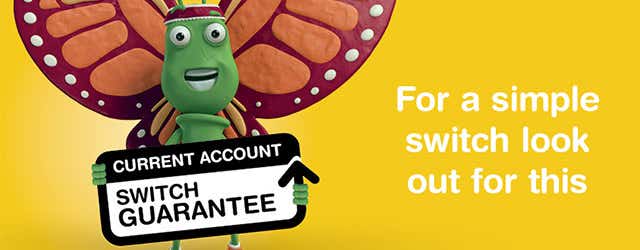
You can switch to your new student bank account within 7 working days with the government-backed current account switch guarantee
Who can have a student bank account?
Each bank has slightly different rules about who will qualify for their student bank account. As a general rule, if you’re studying full-time for a degree, a degree-equivalent or a postgraduate course, you should qualify.
However, some banks will accept people who are on other higher or further education courses – so if you're in any doubt about whether you qualify, check with the bank.
The law in the UK doesn't allow for under 18's to get an overdraft. Should you open a student account before you're 18, you can apply for an overdraft once you turn 18.
Switch to a better current account
Compare current accounts from different providers and find a bank that works for you.
Part-time students are less likely to qualify, as they're often able to work full-time while they study. So you may want to check with your learning institute to see what financing options you have to help you along the way.
Read more...
