Water prices - how UK water rates are calculated

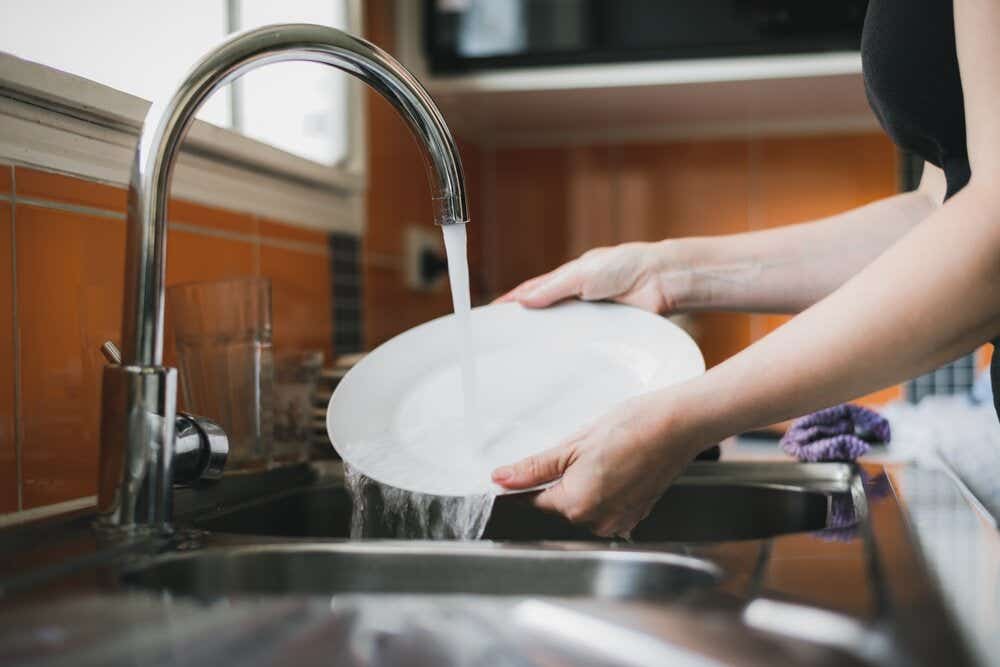
If you want to know more about the price of water in the UK and how your bill is calculated, this guide will help you better understand water prices.
UK water rates differ depending on where you live and how you are charged. Find out what makes up your water bill and how water rates work.
UK water rate changes in 2019:
Water rates throughout the UK were reviewed in February 2019 and raised by £8 a year on average from April, going into 2020. This followed on from an hike of £9 on average in 2018/19 and means that an average household will pay around £415 for the water it uses this year.
In early 2015, it was announced that water costs would drop by 2%, putting the average UK household's bill for water and sewage at £385 per year, or about £32 per month. This news came after an Ofwat investigation into water prices in the UK found that tougher rules over water company profits were in order.

How do water rates work across the UK?
In England and Wales there are regional differences in domestic water rates. Your domestic water rate will depend on the availability of water in your region and the size of your region.
The majority of people are charged a yearly water rate which covers the domestic water supply and associated costs such as maintaining water quality. A minority of people have a water meter instead, which in some cases may prove a cheaper alternative.
How do water companies work out water rates in the UK?
Water companies calculate your domestic water bills in one of two ways:
- Unmetered: you pay a set amount for your domestic water and sewage service, regardless of how much you use. This is based on the rateable value (RV) of your home.
- Metered: your domestic water readings are taken from a water meter and you pay for the units of water you use.
Find out which method of water bill charging is right for your home in our guide to water meters.
What's the difference between water charges and sewage charges?
There are two parts to your water bill:
- Water charges are for the fresh water that comes out of your taps.
- Sewerage charges are for the water you use that goes back into the system as waste to be treated - assumed to be about 95%. This is also known as foul or grey water.
The sewage charge includes any water that runs from your property into public sewers.
How can I get a surface water drainage rebate?
Almost everybody pays for surface water drainage as part of the sewage element of their domestic water bill.
If you can prove that no water from your property drains into a public sewer - if you have a soakaway for example - you may be able to apply for a refund of your most recent charges. For further information, please contact your domestic water supplier.
How can I limit how much I spend on water?
Unfortunately, your water supplier is determined by where you live - there's nothing you can do to switch in the same way you can with your energy.
However, there are a range of water-efficiency products that can help you. These include:
- A water meter calculates your household water use - some people can save money by switching to a water meter. Find out more about water meters.
- A water displacement device, also known as a hippo or save-a-flush, goes in your toilet cistern and reduces the water used each time you flush. Most water suppliers will provide them free.
- A shower timer can encourage you to spend less time in the shower which will reduce your water use.
- A water butt collects rainwater for you to use on the garden and in your appliances, reducing your mains water use.
