How car modifications affect insurance

 How car modifications affect insurance
Do I have to declare all car modifications to my insurer?
Yes. Every modification must be declared to your car insurance provider, no matter how minor it may seem. This means anything that changes your car from its original factory specification.
Failing to declare a modification could invalidate your policy. As such, your insurer could refuse to pay out if you need to make a claim.
Even cosmetic changes, such as non-standard alloys or bodywork alterations, can count. This is why it’s always safer to tell your insurer rather than assume something doesn’t matter. Undeclared modifications are just one example of what can invalidate your car insurance.
What counts as a car modification?
A car modification is any change made after the vehicle leaves the manufacturer that alters its original specification. This can include:
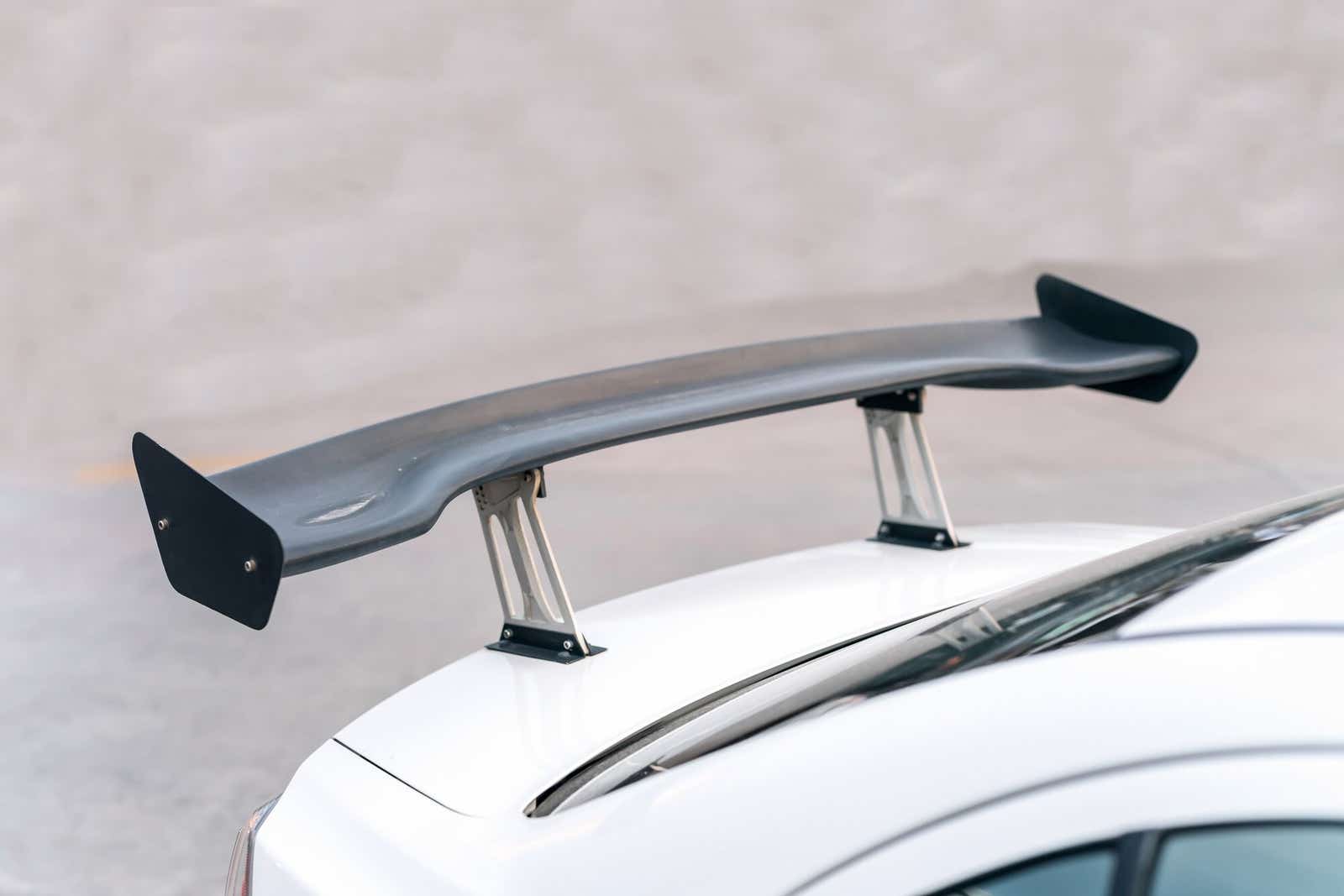
- Cosmetic changes such as custom paintwork, body kits or aftermarket wheels
- Performance upgrades including engine remapping, turbochargers or suspension lowering
- Functional additions like tow bars, roof racks or non-standard lighting (such as underglow kits or headlight conversions).
In short, if it wasn’t fitted by the manufacturer as standard, insurers are likely to view it as a modification.
Which car modifications are likely to increase my insurance premium?
Some modifications increase the level of risk insurers associate with your car. And this can push premiums up. Common examples include:
- Performance enhancements: such as engine remaps, turbos or sports exhausts – which can increase speed and engine strain
- Modifications that raise theft risk: like expensive alloys or eye-catching paintwork
- Changes that increase repair costs: including lowered suspension or specialist parts
From an insurer’s point of view, these cars are often more likely to be involved in claims, or more expensive to fix if they’re damaged in a collision.
"Always declare all modifications to your insurer. Even minor changes can impact your quote, and full transparency ensures your custom car is properly protected."

What modifications might lower the cost of car insurance?
Not all modifications lead to higher premiums. Some changes can actually reduce risk and could help keep costs down, including:
- Approved alarms and immobilisers
- Advanced tracking devices.
These features can make your car harder to steal and easier to recover, which insurers often look on favourably. That said, any discount depends on the insurer and the security system being recognised or approved.
Certain safety features might also drive down your premiums, like:
- Brake system upgrades
- Rear-view cameras
- Sensors.
What happens if I buy a car that already has modifications?
If you buy a car with modifications already fitted, the responsibility to declare them still falls on you. Insurers won’t accept “I didn’t know” as a reason for non-disclosure.
This is why it’s important to research the car thoroughly before money changes hands. Ask the seller about any changes, and let your insurer know before driving away.
It’s important to have the right level of car insurance cover in place at all times, otherwise you risk invalidating your policy.
How much does a remap increase car insurance?
An engine control unit (ECU) remap is one of the most significant modifications in the eyes of insurers. By increasing power and torque, it raises the risk of higher speeds, greater engine stress and more expensive repairs.
As a result, a remap can lead to a steep increase in your insurance premium. Some standard insurance providers could refuse to cover it altogether.
All the same, you must declare an engine remap if you have one. If you don’t, your policy is likely to be declared invalid, which will mean any claim will be rejected.
Do I need specialist modified car insurance?
If your car only has minor modifications, a standard car insurance policy may still be suitable. It’s worth comparing quotes while declaring any changes to see what’s available.
However, if your car has several modifications or high-performance upgrades, you may struggle to get cover from standard insurers. In this case, specialist modified car insurance providers could be a better choice.
Specialist insurers understand customised vehicles and can offer more tailored cover. This may include benefits such as agreed value cover, where you and the insurer agree on the car’s value in advance. This ensures your modified car is insured for its true worth, rather than its standard market value.
