Compare solar panel installation quotes and costs
Tell us a bit about your home and get matched with 3+ vetted solar installers, free and no-obligation. Compare their quotes and start saving.
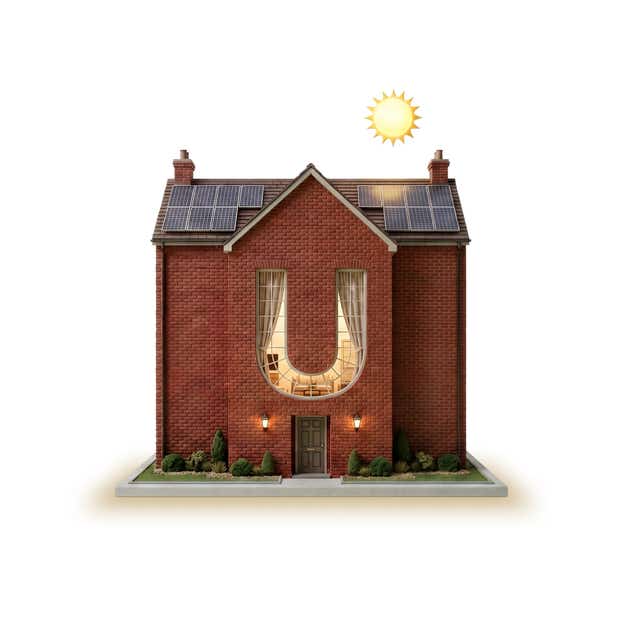
Join solar customers saving £975* per year

“Clear and a decent amount of information very quickly"
Jamie, Stoke-on-Trent†
“… it was the clarity of information provided and also the introduction of no upfront fee options that stuck out… I have subsequently booked an installation”
Lee, Livingston†
“Easy process, many convenient times to choose from, loads of information provided or available”
Anonymous, August 2026†

 TrustScore 4.7 | 41,298 reviews
We compare these solar panel installers
We only work with installers who meet our high standards for quality, certification, and customer service. Each of our partners is MCS-certified, ensuring your system is safe, efficient, and eligible for the Smart Export Guarantee (SEG).
 Glow Green
 Sunsave
  Heatable
Why choose Uswitch for solar?
We’ve replaced the uncertainty of solar with a transparent, streamlined process. You can now shield your energy bills with an easy to use system tailored to your home and lifestyle.
Trusted partners
We vet installers before they reach you, saving you time and effort. We only work with MCS-certified installers.
Simple and fast
Answer a few quick questions about your home and energy use, and you'll get personalised quotes in just a few minutes.
Exclusives
We work hard to bring you exclusive deals, along with other incentives.
How does solar work?
At its simplest, solar panels (also known as solar photovoltaics, or PV) convert sunlight into electricity.
Uswitch tip: You don't need scorching heat or direct sun for this to work. Modern panels are incredibly efficient at capturing diffused light, meaning they still generate power on typically overcast British days.
Capturing sunlight
Solar panels are made of cells containing semi-conducting materials. When light hits these cells, it creates an electrical field.
Conversion
The panels produce Direct Current (DC) electricity. Since your home runs on Alternating Current (AC), the power is sent to a small box called an inverter to be converted.
Powering your home
This electricity flows into your consumer unit (fuse box) to power your lights, appliances, and gadgets.
The grid connection
If you generate more power than you need, the excess flows back into the National Grid. If you need more than you’re generating (like at night), you simply pull electricity from the grid as normal.
*Uswitch solar customers' average annual saving as of 10 August 2026. To verify, visit uswitch.com/verify
†Testimonials are from voluntary customer interviews. Participants received a thank-you voucher for their time, regardless of whether their feedback was positive.