Apple unveils the iPhone Duo, its first folding phone

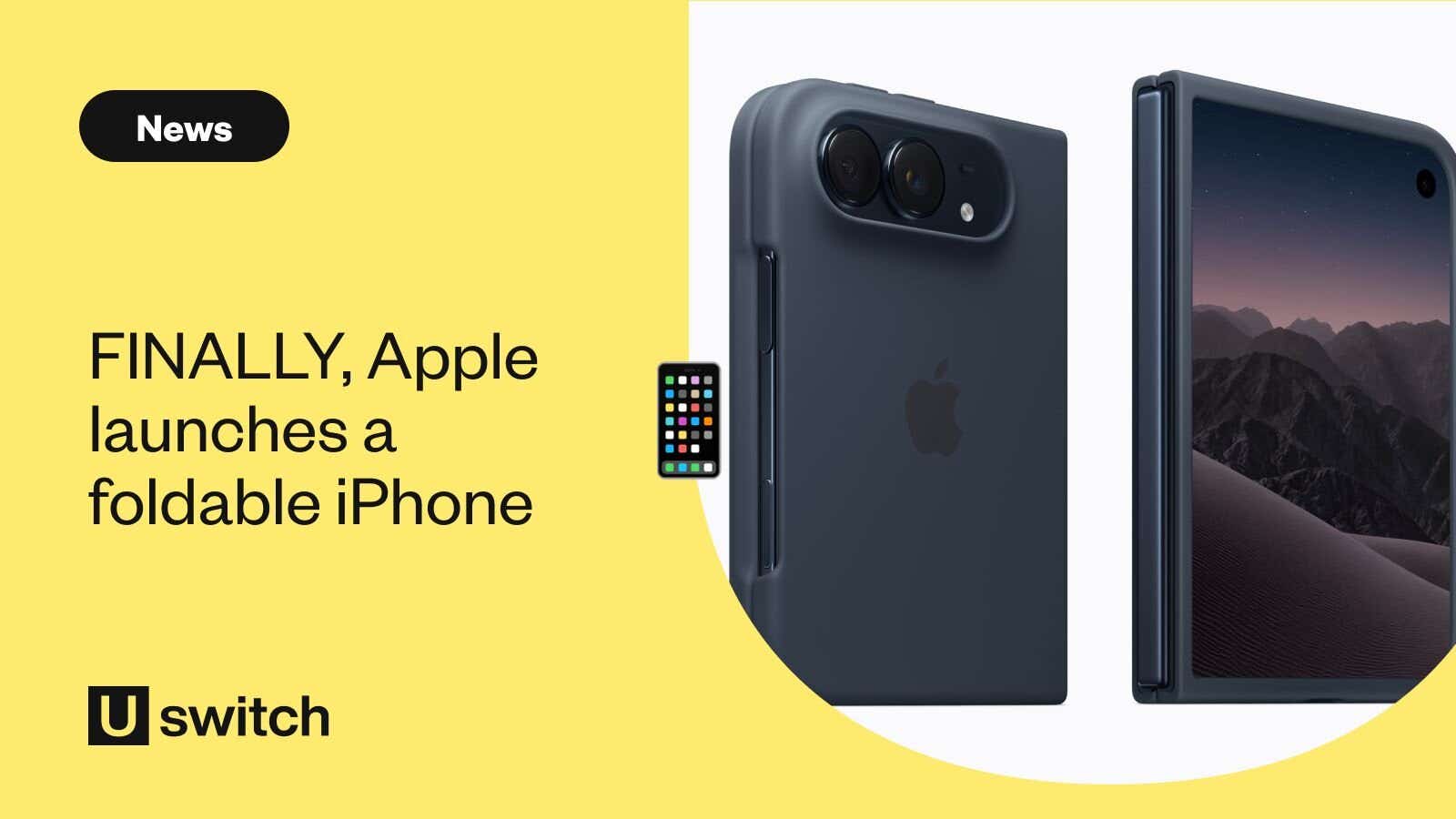
Apple has a new CEO, and now it has a whole new type of iPhone as well. John Ternus kicked off his reign by launching the iPhone Duo, Apple’s first foldable phone.
Foldable phones have been around since 2018, but Apple’s entry into the market means they’re likely here to stay. Past models have suffered from durability issues and high prices – and on the former, at least, Apple seems to have come up with a solution.
Here are our latest takeaways from the iPhone Duo.
Design
Apple made a big play of the Duo's hinge, which it claims is more durable than those offered by rivals thanks to support rifts in the central support plank. The device is rated IP68 for water and dust resistance.

In another design triumph, the screen crease is nearly invisible to the naked eye – something Apple reportedly agonised over.
As rumoured, the Duo opens like a paperback book, though it’s shorter and wider than most foldables in this form factor (it’s similar in size to a passport).
Display
The iPhone Duo opens to reveal a 7.6-inch screen, with a 5.4-inch cover display. You can use most of its functions with it closed, but it’s when you open it up that the magic really happens.
7.6 inches is about the size of the iPad Mini’s screen, so you’ve effectively got a small tablet in your pocket. Apple’s demo showed iOS controls moving to the side of the screen to be more easily reached. The screen also reacts depending on how you’re using it – charge it on a bedside table and it’ll show a clockface. Partially close it, and iOS moves the tappable buttons away from the crease, where they're harder to press.
Colours
The iPhone Duo comes in two colours: star white and night sky. And it boasts an impressive battery life of 31 hours using the internal screen, and 44 hours using the cover screen.
Peformance
Like the iPhone 18 Pro and Pro Max, it features Apple’s latest A20 processor, which is built on a 2nm process. That makes it more powerful while also being very energy efficient – Apple claims the chipset is 20 per cent faster, with a 40 per cent improvement in graphical performance. It also helps the phone’s battery to last longer before needing a recharge.
Also like the Pro and Pro Max, it has 12GB of RAM and Apple’s suite of AI features.
Cameras
The new form factor does mean some compromises, however. The iPhone Duo only has two rear cameras (living up to its name), as opposed to the three of the Pro and Pro Max. (It also misses out on the Pro models’ new variable aperture camera feature.) Both the main and ultrawide snappers are 48MP resolution.
There’s also no Face ID facial recognition, so you’ll have to rely on Touch ID fingerprint recognition on the power button for unlocking the device, entering passwords and payments using Apple Pay.
Price and availability
The iPhone Duo is available for pre-order on 16th October, and shipping starts 23rd October. It starts at £1,999 for the 256GB model, rising to £3,199 for the flagship 2GB variant.
While its £2,000 starting price is cheaper than rumoured, it is still £100 more than the Samsung Galaxy Fold8. With household budgets squeezed, it will likely remain a niche device for early adopters for now, at least until the price comes down.
How will it compare to the Samsung Galaxy Z Fold8 and Google Pixel Pro 11 Fold? On paper it looks very exciting indeed, and could – in time – help foldables become more of a mainstream proposition. But one thing’s for sure: John Ternus’ reign as Apple CEO is off to quite a start.
Compare iPhone deals
Not sure which iPhone is for you? Check all our latest Apple iPhone deals.
