How to bleed a radiator: step-by-step guide

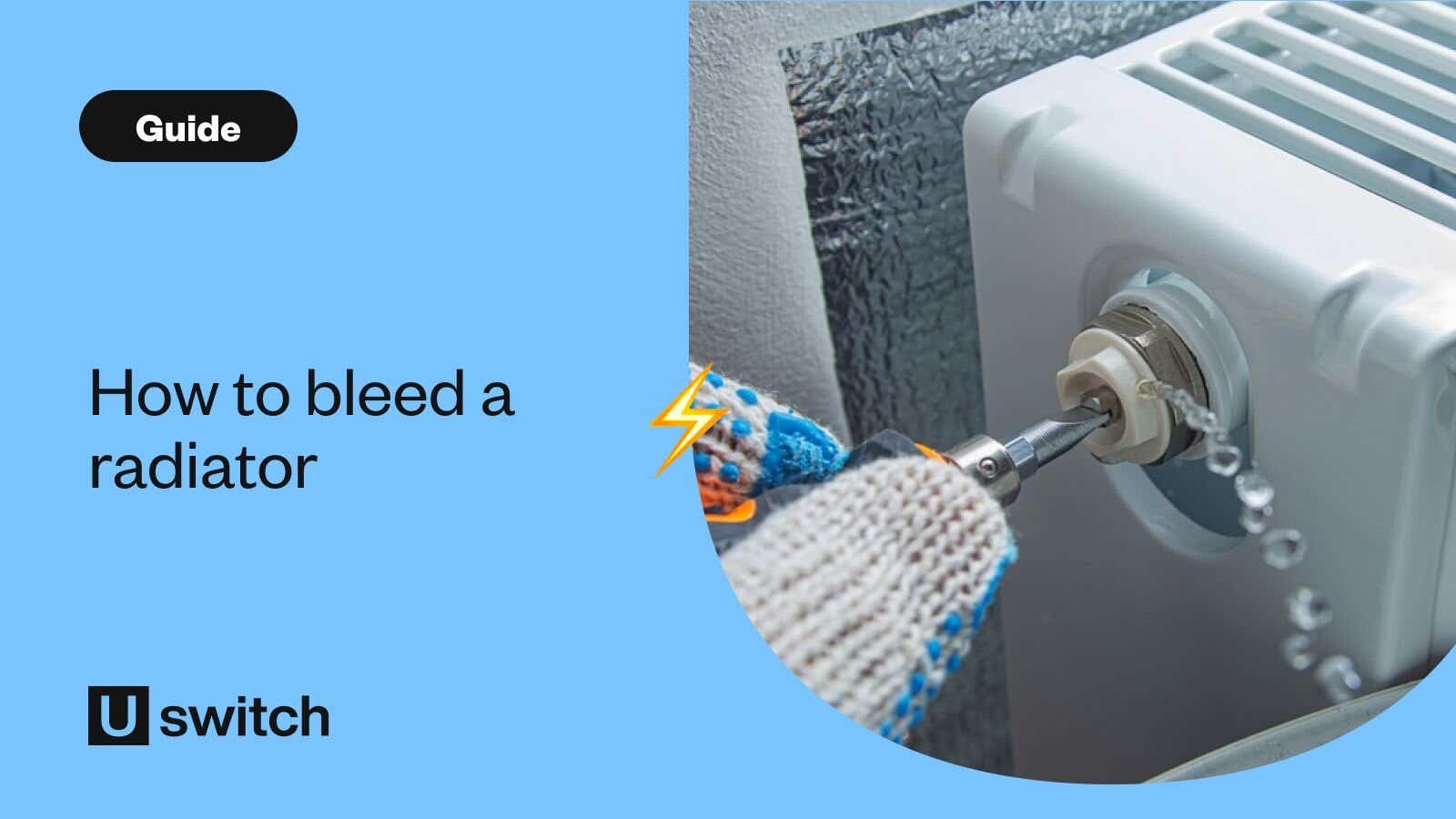
What tools do I need to bleed a radiator?
Make sure you have the right equipment before starting. You’ll need:
- A radiator key or flat-head screwdriver
- Cloth
- Old towel
- Bowl or other container
Note: you may not need a specialist radiator key, as modern radiators are designed to be bled with standard tools like a flat-head screwdriver or Allen key. Examine the valve – you’ll find it at the top of one end of most radiators. Newer radiators have a groove that fits a flat-head screwdriver; older radiators have a slot with a square-shaped knob in the middle that you need to insert a radiator key (or equivalent) into.
You probably already have most of these items at home, but if not, you should be able to find them easily online or at most DIY stores. Now you’re ready to get started.
How to bleed a radiator
Turn your heating on
First, turn on the heating and wait for all your radiators to heat up. This wait ensures pressure builds up in each radiator, which helps you determine which radiators have trapped air. It also makes it possible to force the air out later.
Check which radiator(s) need bleeding
Once your radiators are hot, check each one carefully – don’t burn yourself! – to see whether all parts of the unit are warming up. Cool spots, particularly those toward the top of the radiator, could mean that air or gas is trapped inside. Make a note of which radiators need bleeding, then switch off the heating. This will allow you to handle the radiators without burning yourself or soaking the floor.
Bleed the radiator
The best way to bleed multiple radiators is to start with the radiator furthest away from the boiler. Locate the valve at the top of the radiator at one end. Place an old towel underneath the radiator and a bowl under the valve to catch any drips. Holding the radiator key or screwdriver with a cloth, insert it into the square bit in the centre of the valve (or the groove if using a screwdriver) and slowly turn anticlockwise to open the valve. If any gas is released, you should hear a hissing sound. As soon as water starts to come out, turn the key or screwdriver clockwise to close the valve quickly.
Check the pressure
Repeat for all the radiators in your home. Once done, any escaped water will reduce the overall pressure of your heating system. Look for a gauge on your boiler to check the overall system pressure. If it’s too low, you’ll need to top it up using the lever or tap on your boiler, known as the filling loop. Consult your boiler manufacturer’s website for tutorials on how to do this. Finally, when you’ve restored any lost pressure, repeat steps 1 and 2 to verify there are no cold spots left.
How do I know my radiator needs bleeding?
There are usually clear signs that it’s time to bleed your radiators. Maybe they’re not heating up properly, or there are cold patches across the top. They may even be making strange gurgling or bubbling noises. You may also have spotted an increase in your heating bills as your radiators struggle to heat your home efficiently. In extreme situations, you may see damp or mouldy patches appearing on your walls, caused by condensation from unbalanced heating.
Even if you haven’t spotted any of these signs, it’s a good idea to bleed your radiators at least once a year, but preferably every few months. It’s especially important to bleed your radiators after periods of no use.
The process of bleeding radiators might look complicated before you've tried it, but it's simpler than it seems. Make sure you have the right equipment and read through the process before starting and you shouldn't have any problems.
What are automatic radiator valves?
Automatic radiator valves, also known as autovalves or self-bleeding radiator valves, automate the bleeding process on compatible radiators. You’ll need one per radiator. Once fitted in place of the regular valve, the vent lets out air gradually to prevent cold spots from building up – this increases your radiator’s effectiveness and means your boiler doesn't have to work so hard to heat your home.
Why is there air in my radiator?
Air can get into your heating system – and therefore your radiators – several different ways. They include:
- During installation, small bubbles of air may creep into the system when your heating system is initially filled with water
- As a result of a leak, which may be in your boiler, heating system or one of your radiators
- Natural processes – as water is heated and cooled, there’s a natural expansion and contraction of the metal elements that make up your heating system. Over time, these movements can force tiny bubbles of air into your radiators, where they rise to form larger pockets of trapped air.
Bleeding your radiators helps these pockets vent from the system, and the space should then be filled with water from your heating system. As air builds up naturally over time, it’s a good idea to bleed your radiators on a regular basis – every few months or at least just before you switch the heating back on for the first time in autumn. You should only become concerned if you’re forced to bleed your radiator one or more times a month, or if bleeding has no effect at all. In these circumstances, seek professional help.
When to call a professional
If you’ve bled your radiators, but you’re still experiencing problems with your central heating, then you may need to bite the bullet and call in professional help. Contact your energy supplier, boiler cover provider or other central heating expert if your heating exhibits any of the following symptoms:
- You continue to experience loss of boiler pressure even after bleeding
- Air keeps building up in the same radiator
- Your boiler is unable to maintain pressure, even after topping it up.
How can bleeding radiators improve energy efficiency?
When air gets trapped in your radiators, it makes them less effective at heating your home. If you try to make up for this loss of heat by cranking up your thermostat, this wastes energy and leads to higher energy bills.
When you bleed a radiator, you release the air trapped inside, which improves the efficiency of your heating system. This means a warmer home and cheaper bills.
How else can I improve my heating?
There are plenty of other gadgets and products that are designed to improve the effectiveness of your heating.
- Radiator insulation foil
This is a simple way of ensuring your radiators heat your room, as opposed to your walls. It sits behind your radiator and reflects the heat that is generated back into the room. It's widely available in hardware shops and you should be able to install it yourself.
- Radiator booster
This is a slightly more expensive option. It’s essentially a stretched fan unit that sits on top of your radiator and pushes the warm air generated around your room. While the radiator booster will use electricity to run, it will save you more on your heating bills.
If you've ever wondered whether it's cheaper to heat the whole house or just the rooms you're using, you'll find the answer in our guide.
- Insulation
It's also important to ensure the heat being generated isn't being wasted by keeping your home and rooms well insulated. You can seal draughts around window and door frames with strips or caulk, while fitting your hot water cylinder with an insulating jacket could save £40 a year, according to the Energy Saving Trust. You can also take on more significant and expensive insulation measures, such as refreshing wall and attic insulation. This costs more up front but will save you more in the long-term.
- Renewable heating sources
Finally, exploring renewable heating sources for the home like heat pumps or solar power may be an effective cost-saving solution long term. Going green in the home has never been easier, with the latest UK renewable energy statistics finding that around two-fifths (42.3%) of the UK’s energy came from renewable sources in the year to January 2025.
To learn more, read our guide to home insulation.
Can you bleed a radiator when the heating is on?
No. It’s vital you switch off your central heating and let it cool down completely before bleeding your radiator. Failure to do so would put you at severe risk of being scalded by any escaping hot air or water through the valve while bleeding.
How do you bleed a radiator without a key?
Check the radiator valve. Most modern radiators use valves with a slot designed to be opened and closed using a flat-head screwdriver. Others can be opened and closed using an Allen key.
Older radiators require specialist keys to fit the traditional small square knob. If you’ve lost yours, you can easily purchase a new one from a local DIY store online. Other devices you can use to bleed radiators include specialist radiator spanners and plumbers’ wrenches, but radiator keys are usually the most cost-effective option.
Another consideration is the age of your radiator – if it’s over 30 years old, then newer keys may not fit. That’s because older radiators use the imperial scale rather than the newer metric scale; in these circumstances, you can use certain keys designed to wind old clocks. These work on a number scale from 000 to 16 – keys sized 8-12 are most likely to fit your older radiator valves.
Whatever you do, avoid using wrenches, spanners or pliers to try and grip the valve – you risk damaging it.
