First major British hydropower projects in 40 years get the go-ahead

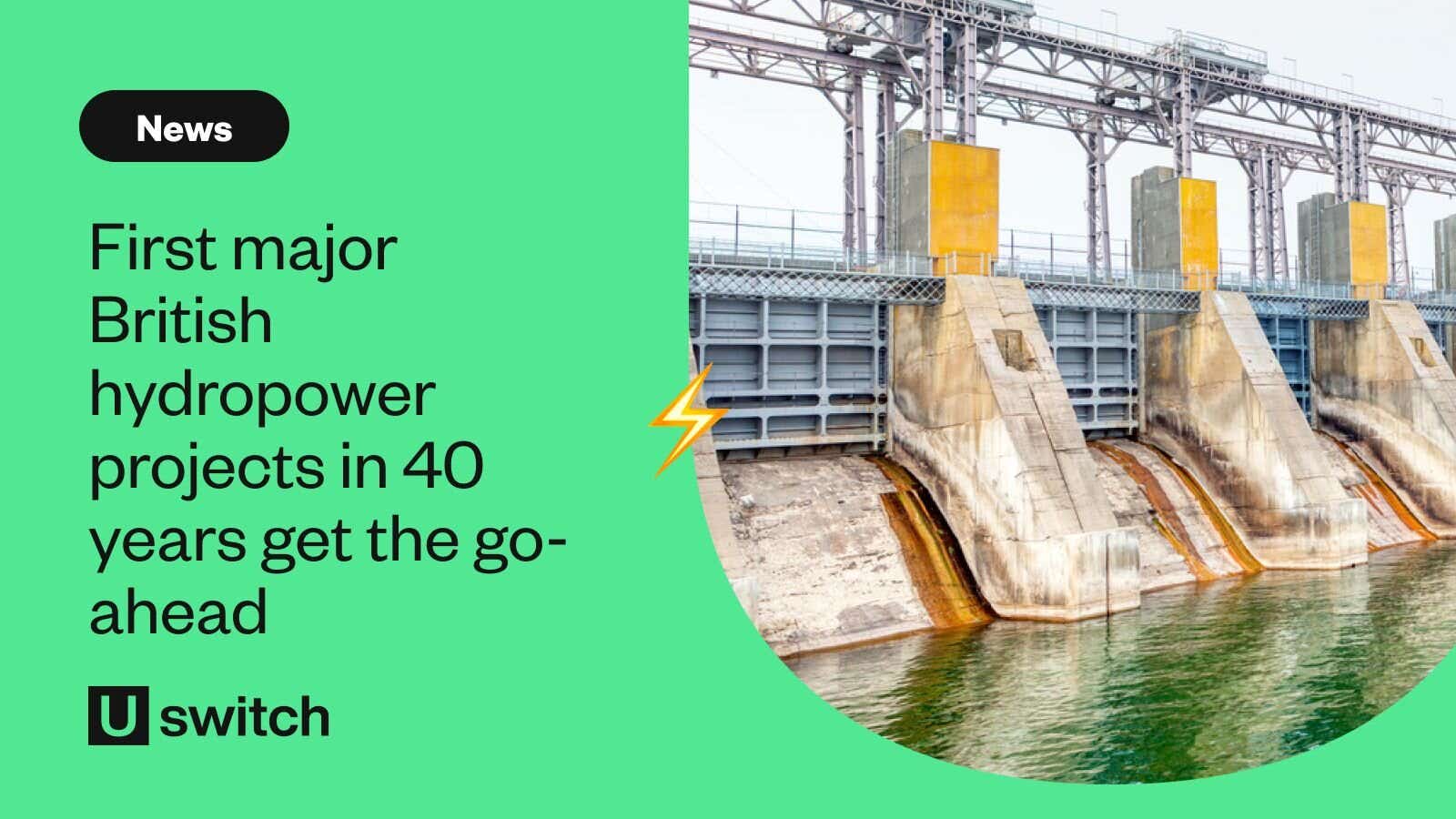
Scotland is due to get three new hydroelectric power stations by the early 2030s after the energy regulator, Ofgem, gave its approval to the new projects as work continues to reduce the UK’s reliance on energy imports.
With the Ukraine-Russia war and the conflict in the Middle East constricting energy supplies and significantly affecting UK energy prices, a key part of the UK’s energy strategy is to become more self-reliant and generate more of its own energy, rather than importing it.
Ofgem has therefore given the green light to three proposals for new hydroelectric power plants to be built near lochs in northern Scotland. Statera Energy’s project will draw water from Loch Ness, SSE’s project will draw from Loch Lochy and Gilkes Energy’s project will draw from Loch Leamhain and Loch Earba. These will be the first pumped hydropower plants to be built in Britain since the Dinorwig plant in Wales, which began operating in 1984.
Ofgem has set out a range of 16 long duration energy storage projects which have been provisionally selected to receive support, which these hydropower plants are part of. The others are focused on compressed air energy storage, lithium-ion batteries and vanadium redox flow batteries.
How do hydroelectric power plants work?
There are several types of hydroelectric power plant, but the three proposed sits in Scotland will all be pumped storage plants. These essentially work by pumping water up to a point of elevation, and releasing it to flow over the plant’s turbines to release electricity at high demand times.
Will this help bring energy bills down?
It could have an effect on energy bills, but this won’t happen in the short-term (not least because these plants won’t be completed for at least five years).
It will help balance supply and demand on the grid at peak and off-peak times because the electricity can be generated when supply is low and work with other renewable generators to ensure the grid is balanced at all times.
