Fleet van insurance explained

Key takeaways:
- Insuring multiple vans under the same fleet insurance policy can help reduce costs and streamline your business administration.
- The basic levels of cover for fleet insurance are similar to regular car insurance. However, you may need to add optional extras to your policy depending on your coverage needs.
- You can usually add a mix of vehicles to your fleet insurance policy, including vans, cars and heavy goods vehicles. And fleets start from two vehicles or more.
What is fleet van insurance?
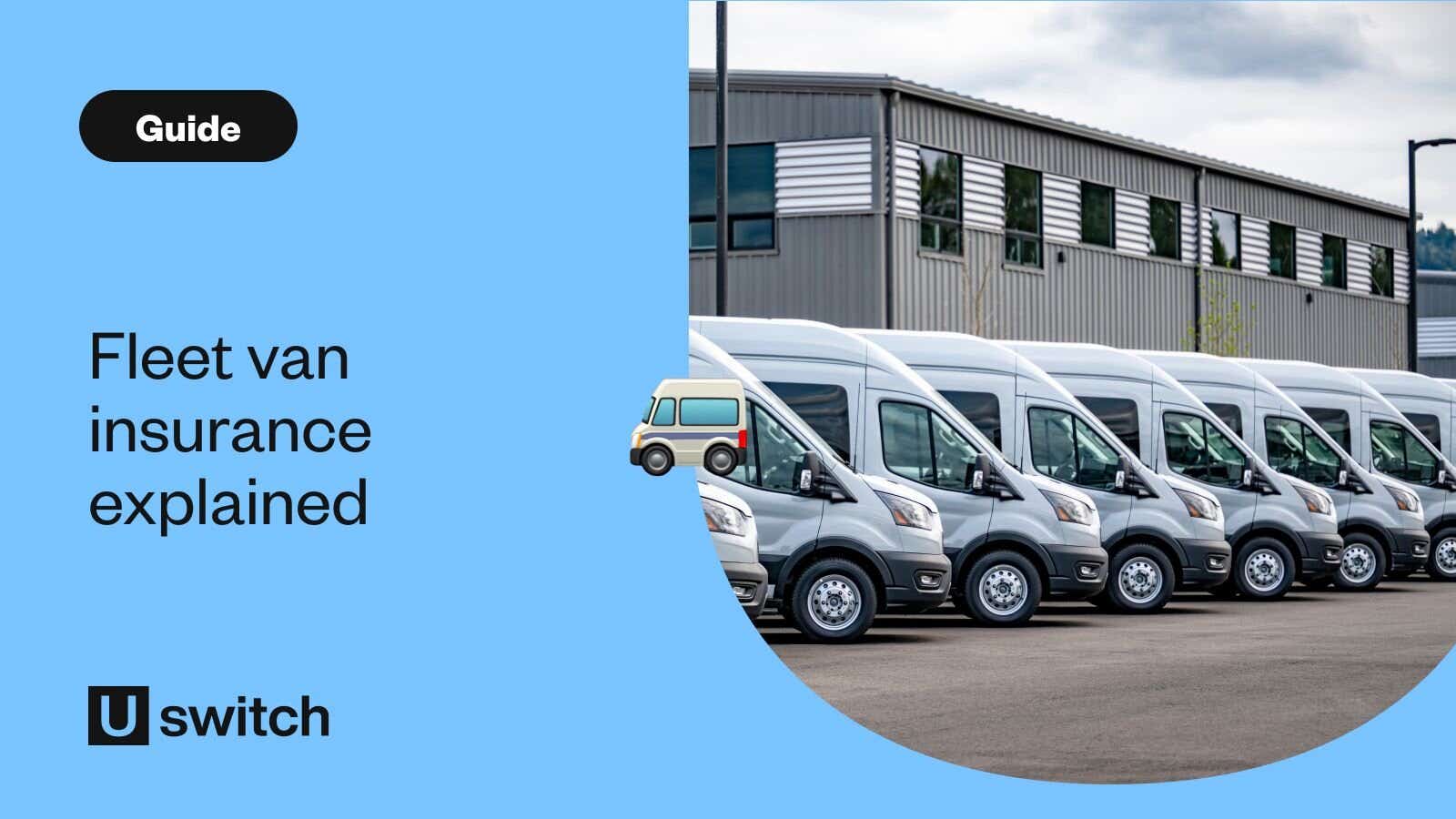
Fleet insurance is a type of van insurance for anyone insuring multiple commercial vans or cars. It’s seen as a cost and time-effective option, as it saves you from having to insure each vehicle individually.
By having one umbrella policy, you’ll be able to set a single renewal date and keep on top of your insurance with ease.
While the name ‘fleet’ insurance suggests you’ll need a large quantity of vans or cars, some policies start from as few as two to five vehicles. Depending on the insurer, this might be called ‘mini fleet insurance’.
If you’re unsure what type of cover will work for you, or you want to find the best deals for fleet insurance, you can start your search and get a fleet insurance quote using the Uswitch comparison tool.
What does fleet van insurance cover?
What your fleet van insurance will cover depends on the type of insurance policy you choose.
The most basic insurance type is third-party only, which covers damage to other people’s vehicles or property. The next level up is third-party fire and theft, which has the added benefit of covering your vehicles if they’re stolen or damaged by fire.
Or, you can opt for comprehensive insurance - the most robust level of cover. This includes everything in the other levels, as well as protection against any accidental damage to your own vehicles.
If you’re planning to take out commercial fleet insurance for business purposes, you may want to add optional extras to your policy. These can include:
- Fleet breakdown cover: Roadside assistance and towing for any of your vehicles if something goes wrong.
- Goods in transit or tools in transit cover: Protects against theft, loss, or damage. Recommended if you use any of your vans or cars to transport high-value items or equipment.
- Legal expenses cover: Covers you financially if you’re hit by an uninsured or untraced driver and need to pursue or defend a claim.
- Protected no-claims bonus: While terms vary depending on the insurer, typically this allows you to make a certain number of claims without losing your no-claims bonus. Usually applied on a fleet basis, rather than per driver.
What isn’t covered by fleet van insurance?
Exclusions on fleet van insurance policies can differ between providers. However, unless stated otherwise in your policy terms, it’s likely your cover won't include:
- Theft due to negligence: This includes doors being unlocked, keys being left in the vehicle, or items being left on display.
- Wear and tear: Costs related to repairing or replacing parts of your van that are worn or damaged due to general use.
- Mechanical failure: Along with general wear and tear, fleet van insurance policies don't tend to cover engine breakdowns.
- Uninsured goods: While tools or business-related items may be covered, the loss or theft of personal items kept in any of your vehicles probably won’t be.
What types of fleet insurance policies are available?
Similar to regular car insurance, when you take out fleet van insurance, you’ll have the option to choose from three standard levels of cover. You can select either:
- Third-party only: The legal minimum for driving on UK roads. Covers damage to others but not your own fleet.
- Third-party, fire and theft: Added protection if your fleet is stolen or damaged due to fire.
- Comprehensive: Recommended for businesses. Ensures your fleet is repaired or replaced regardless of fault.
With fleet insurance, you’ll usually be able to insure a mix of vehicles under the same policy. This can include vans, cars, and even heavy goods vehicles.
For larger fleets, it’s likely the case that your coverage will work on an ‘any driver’ basis. But if you’re looking for small fleet insurance or a mini fleet insurance policy, you may have to state a named driver for each vehicle.
What types of vans can be covered by fleet insurance?
Types of vehicles you can add to your fleet insurance include:
- Panel vans and light vans
- Pick-up trucks
- Tippers and dropside vans
- Box or Luton vans
- Cabs with chassis
However, it’s always worth double-checking that your vehicle is eligible. This is particularly true if you have courier fleet insurance, as policies tend to have more specific wording due to the higher risk involved.
How can I save money on fleet van insurance?
Even when done under the same policy, the cost of insuring multiple vehicles can add up. But there are things you can do to help lower the price of your premium. Here are some tips for getting cheap fleet insurance:
- Increase the voluntary excess: Agreeing to pay more towards any future claim you make tends to bring down the upfront cost of your insurance.
- Install telematics: Insurers may offer cheaper rates if you can prove you drive safely. This can be done by installing a black box or getting a dashcam.
- Pay annually: Paying for your fleet insurance monthly is typically more expensive in the long run, as providers tend to add interest.
- Centralise management: Having certain protocols in place - such as mandatory driver training or a vehicle maintenance schedule - can make your business more attractive to insurers.
Compare van insurance
Find cheap van insurance quotes in minutes.
