Rising damp: what your home insurance covers

Key takeaways
- Rising damp is not covered by standard UK home or house insurance policies, as it is classified as gradual deterioration and poor maintenance, not a sudden event
- You must address rising damp immediately; not doing so counts as neglect and could be used to reject a future, separate claim
- The solution involves installing or repairing the Damp Proof Course (DPC), which is the homeowner's responsibility
What is rising damp?
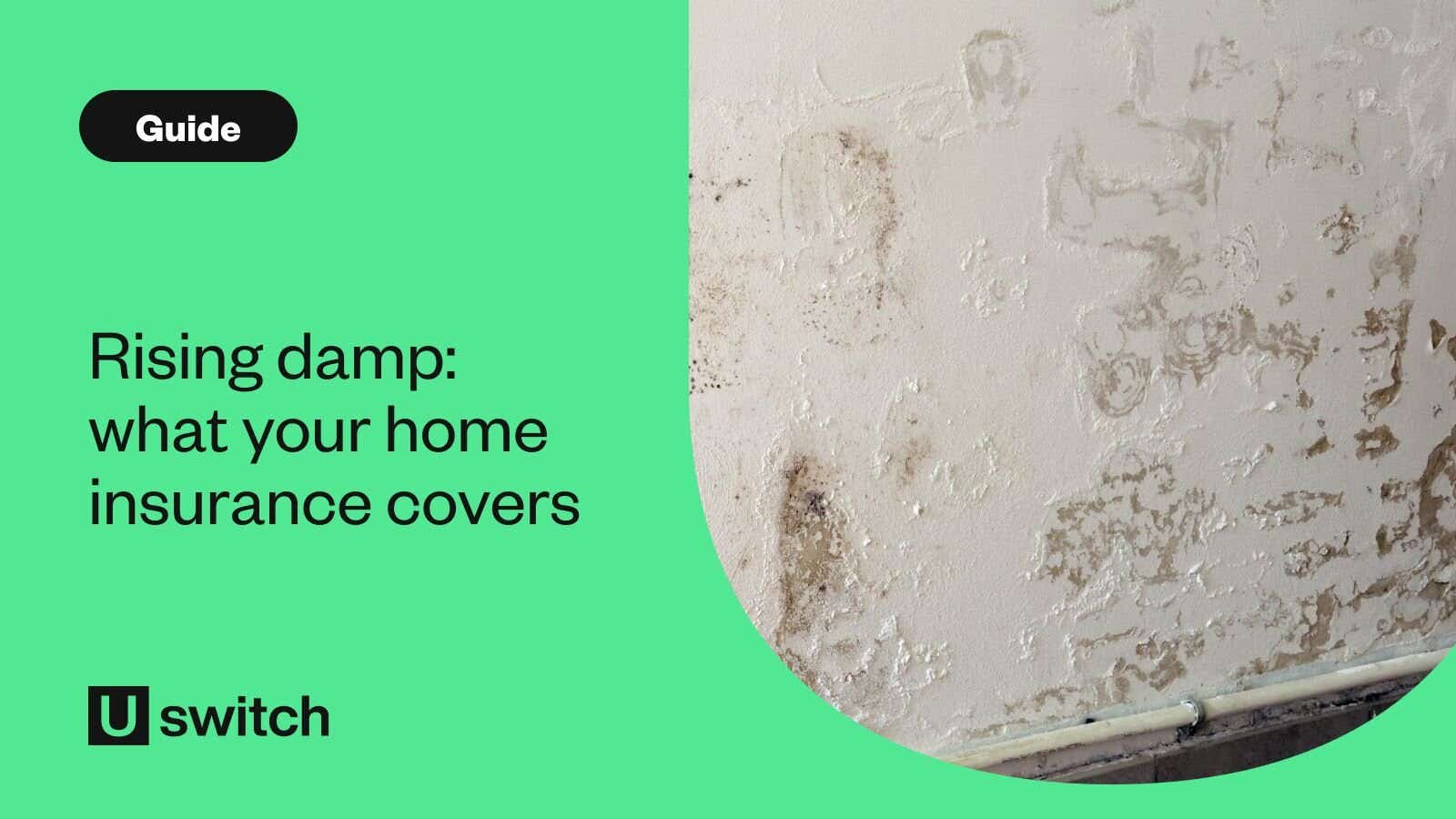
Dreaded by homeowners, rising damp occurs when ground moisture rises and is absorbed by the walls of buildings. Signs of rising damp can appear on ground-floor internal walls up to about 1.2 metres from the floor.
Other signs include:
- Tide marks or damp staining
- Peeling and blistering paint or wallpaper
- Rotting timber (particularly skirting boards)
- Crumbling plaster
- A powdery white residue (salts)
Not treating rising damp can have substantial repercussions such as structural damage and may lead to respiratory issues. If you believe it's affecting your home, it's important to call an independent surveyor (RICS/PCA accredited) immediately. Rising damp can be easily misdiagnosed, so a professional can help determine whether it's affecting your property.
Condensation is the most common type of damp in homes and is caused by moist air coming into contact with cool surfaces. This shows up in the form of water droplets on windows, pipes and ceilings.
You can also spot condensation through other signs such as increased levels of humidity, damp patches and visible black mould around windows and pipes, for example.
What are the different types of rising damp?
There are different types of damp – identifying it early can help you treat the issue and prevent it from causing serious damage to your property.
So, what should you look out for and how is it caused?
Rising Damp: Tide marks on walls showing where the damp has risen from the ground are a common sign of rising damp. Powdery white salt-like deposits, peeling paint or blistering wallpaper can also signify the issue.
This happens when groundwater is absorbed by ground-floor brickwork and travels upwards. Older properties are particularly at risk, whereas newer homes are more likely to have a damp-proof course (DPC) installed in the structure. However, even new homes can suffer from rising damp if a DPC hasn't been installed or if the DPC is defective.
Penetrating Damp: While rising damp rises from the ground, penetrating damp tends to occur when walls or ceilings are damaged by leaking water. This is why signs of penetrating damp can be visible in random locations on walls and ceilings, as opposed to near ground floors.
The cause of penetrating damp is typically a breach of DPC, damaged brickwork or roof tiles, blocked or leaking guttering and defective seals around windows, doors and tiles.
Condensation: Is typically identified through patches of black mould, clusters of water droplets, peeling wallpaper and a musty smell. Condensation is usually located near windows or unventilated areas of a property.
When warm moisture in the air within a building settles on cold surfaces, it turns into condensation. It can point to ventilation issues, poor insulation or insufficient heating.
Does home insurance cover damp or mould?
Quite simply, home insurance doesn't tend to offer cover for damp or mould caused by gradual deterioration and poor maintenance.
The key is whether the damp has been directly caused by an unexpected sudden 'insured event', such as a burst pipe, or storm damage. This is different from compromised roof tiles causing a slow leak resulting in damp.
That's why insurers may offer cover for sudden unexpected damage, whereas claims for gradual deterioration are likely to be rejected.
The structure of your home and its permanent fittings and fixtures are covered by buildings insurance. This refers to windows, roofs, walls, doors or fitted kitchens, for example. Items in your home can be protected by a contents insurance policy. A policy can offer cover for your gadgets, furniture, clothes, jewellery and more.
Why is damp and mould considered a maintenance issue?
From an insurer's perspective, any potential claim is assessed based on how damage to a property or its contents was triggered in the first instance.
If a roof leak, for example, is affecting your property, it's generally down to you to fix the issue. This is especially true if the problem is gradual and largely due to wear and tear.
All home insurance policies exclude cover for general wear and tear, so the expectation is that you maintain the condition of your property. What may begin as a small issue can worsen over time and end up damaging elements of your property.
Condensation, for example, can cause small black mould spores initially, but over time this can begin to rot wooden window frames and floorboards. If you then need to claim for this type of damage, it may be rejected on the grounds you didn't intervene to address the problem.
Likewise, with rising damp, signs of the issue can appear before significant damage is caused. If you don't have DPC installed, or you believe it is defective, it'll be down to you to rectify the problem through proper maintenance.
It's worth mentioning these examples, because crucially, insurers will often send a loss adjuster to investigate the cause, not just the damage. And if your claim is judged to have arisen from neglecting necessary maintenance, it'll likely be rejected.
“Rising damp is a maintenance cost that homeowners must budget for, not an insurance claim. Since treatment can cost several thousand pounds, we advise getting three quotes from accredited specialists for the DPC repair.
"Addressing the problem quickly not only saves money in the long run but also fulfils your policy obligation to maintain your home’s condition.”

What happens if rising damp isn't treated?
If rising damp is present, it can cause significant damage if it isn't addressed.
In terms of the structure of a property, it can cause wallpaper to blister and plaster to crack. It can even start to destroy brick and masonry and rot timber. In essence, the problem worsens over time – affecting your home insurance, remortgaging or selling the property.
More importantly, not treating rising damp can pose a health risk to anyone who is exposed to harmful mould over time. It can cause respiratory problems, trigger allergic reactions and even prompt asthma attacks.
How do I protect my home from rising damp?
There are several ways to help ensure your home doesn't suffer from rising damp.
The first and obvious approach is to protect the walls of your property with an effective DPC. There are different types of DPC, so choosing the right one can depend on the construction and layout of your property.
New build homes and structural extension projects are required by law to include a DPC. Even if you have DPC installed, it's always worth surveying walls occasionally for any signs that it has been breached or is defective.
Beyond DPC, there are other ways to prevent rising damp in your home, such as:
Keeping your home well ventilated: Letting air in and out of your property can keep it clean and dry. Simple changes such as opening windows regularly or using an extractor fan while cooking or in the bathroom can help.
Reducing moisture: Reducing moisture in your property is an easy way to prevent damp. If you can, try and dry clothes outside and look into buying a dehumidifier to maintain humidity levels.
Regular home maintenance: Check over your roof tiles, windows, brickwork and guttering occasionally to ensure they're not compromised. If everything is working as it should, it can reduce the risk of damp – it'll also help you catch issues before they worsen.
How to prevent rising damp from worsening
Tackling rising damp isn't the most straightforward process, so if you're uncertain, it's always worth contacting several professionals for different opinions.
Issues with the damp-proof course are likely to cause damp; this can include bridging, gradual deterioration and incorrect installation.
Bridging can occur when solid forces such as external soil or newly laid patios or driveways rest above the DPC level. This can cause moisture to bypass the DPC.
Gradual degradation can occur over time, particularly when aged DPC can become brittle or begin to crack.
Incorrect installation is another common issue that can happen if the DPC has been fixed at the wrong height or if there are gaps or tears.
Remedying the issue largely depends on what the exact problem is, but it can involve:
- A damp specialist removing wallpaper and plaster to inspect and repair the existing DPC. Depending on its condition, it may involve replacing the DPC entirely.
- Surveying brickwork and installing a chemical DPC. This is injected into masonry walls to create a water-repellent barrier that stops water from rising up the wall.
- Dry rods are another effective option for treating rising damp by creating a long-term barrier in the masonry. These rods are inserted into pre-drilled holes, dissolving and spreading water-repellent ingredients into the bricks and mortar.
The process of repairing or replacing DPC can be messy. At the very least it'll involve replastering and repainting your home's walls. If you need to replaster, a professional may suggest using a specialist salt-retardant, waterproof render.
What is the cost of fixing different types of damp?
The cost of treating rising damp or repairing DPC can depend on 3 key factors:
- The extent of damage and required remedial work
- Your location
- Which company or professional you hire
But to give you a rough estimate, according to Checkatrade, prices can range from £1,000 to £7,500*.
A damp survey determining the issue and required work costs £300. Installing DPC for an average property is priced around £5,000.
Opting for injection damp-proofing costs between £1,000 and £3,000, or between £2,500 and £7,500 to retrofit a new damp course.
These costs can vary, especially if you have specialist rendering fitted following the installation of DPC. Minor rising damp issues can be fixed if you decide to do it yourself, but structural damage should be treated by a professional.
Issues with condensation? Fixing the problem can be cheaper compared to rising damp, but it'll depend on what options you choose.
Upgrading vents or extraction fans and replacing window panes and buying a dehumidifier can cost less, for example. However, if your central heating system needs replacing, the cost is similar to that of a DPC installation.
Your home insurance may be able to provide a lifeline if a sudden unexpected event causes rising damp. But, if it's a gradual problem, be prepared to pay out of your own pocket for repairs.
*Prices accurate as of April 2026.
Compare home insurance quotes
See a range of home insurance quotes in just a few minutes when you compare with Uswitch
